

I have covered “mate” a couple of times as a synonym for “buddy” or “friend.” But this sign in a men’s room in the Seattle airport is the first time I’ve seen it in America as a form of direct address:

The capital M in “Mate” suggests to me that the writer wasn’t especially comfortable or familiar with the term. Meanwhile, both the excessive politeness and the “eh” at the end suggest that he or she might be Canadian.
In any case, the first two citations in the OED for this use of the word are both from Englishmen (Arthur Polehampton and Lord Robert Cecil) who noticed it in their travels in Australia in the mid-nineteenth century.
1852 R. CecilDiary 31 Mar. (1935) 36 When the diggers address a policeman in uniform they always call him ‘Sir’, but they always address a fellow in a blue shirt with a carbine as ‘Mate’.1862 A. PolehamptonKangaroo Land 99 A man, who greeted me after the fashion of the Bush, with a ‘Good day, mate’.
It had arrived in Britain by 1880, when this line of dialogue appears in a novel by Mary Elizabeth Braddon: “Who’s the magistrate hereabouts, mate?”
In the U.S., the comparable terms include “buddy,” “pal,” and, in recent years, “dude.” Those words are often used in a hostile, or at least passive-aggressive manner. “Mate” works well for this purpose, as the men’s room admonition illustrates. I’ll be curious to see if it catches on in these parts.







 (Note the banning of “transpire.”)






 )
)

 You often hear people say things along the lines of, “Never read the comments!” Well, that’s definitely not true for NOOBs, whose comments and commenters are frequently brilliant. Just a few days ago, “oldyellr” commented on the “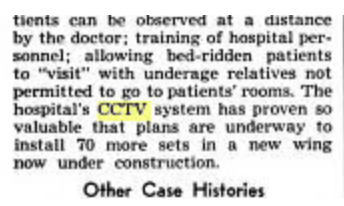
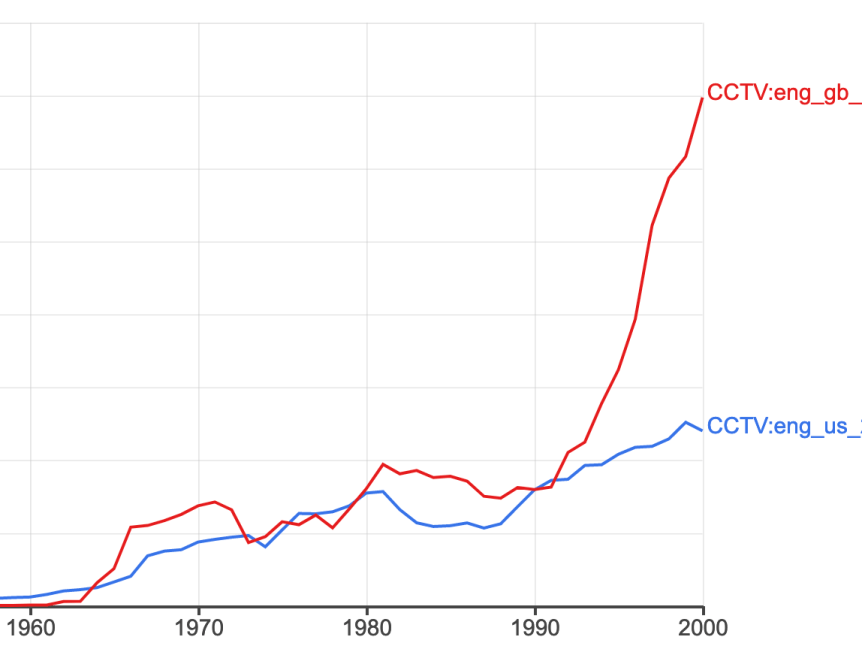
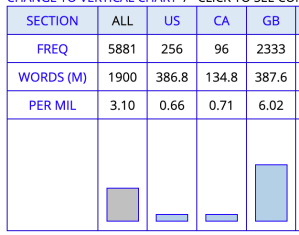
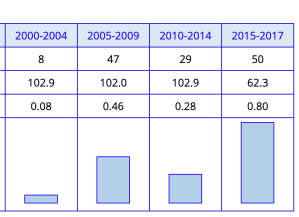
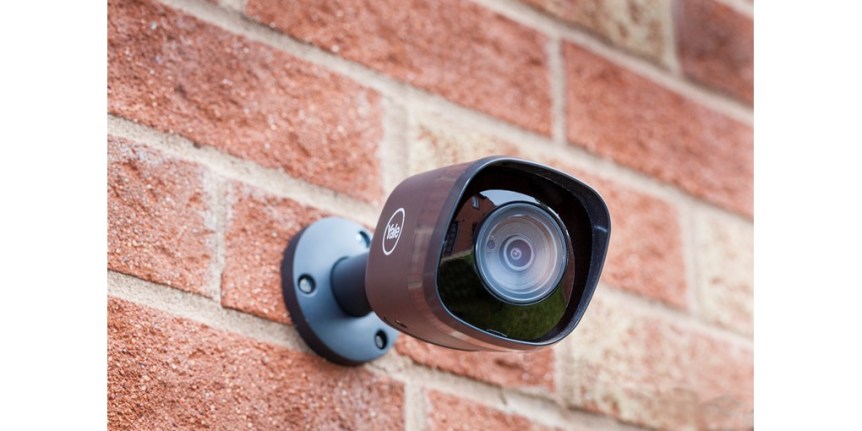
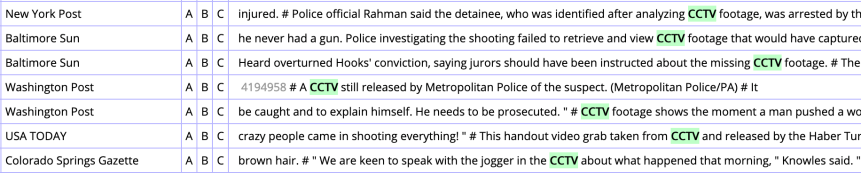 So “CCTV” appears to be established in America, and on the rise.
 notoneoffbritishisms.com