The always vigilant Nancy Friedman alerted me on Twitter to something she labeled “Attempted Britishism” in this passage from an Esquire piece by Charles M. Pierce:
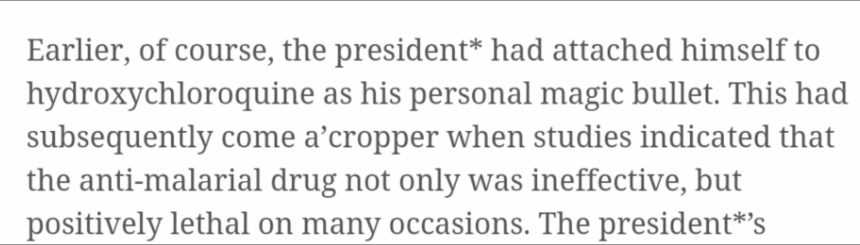
The Britishism part is the phrase “come a cropper” and the “Attempted” part is the apostrophe, which doesn’t belong. Nancy checked it out and found Pierce frequently used the expression, always with an apostrophe. (The asterisk after “president” is another story, presumably Pierce’s commentary on the fitness of the current occupant of the office.)
Gary Martin, in his Phrase Finder website, has a good explanation of the phrase’s origin, which has do with the nether quarters of a horse — the “croup” or “crupper.”
In the 18th century, anyone who took a headlong fall from a horse was said to have fallen ‘neck and crop’; for example, this extract from the English poet Edward Nairne’s Poems, 1791:
A man on horseback, drunk with gin and flip,
Bawling out — Yoix — and cracking of his whip,
…
The startish beast took fright, and flop
The mad-brain’d rider tumbled, neck and crop!‘Neck and crop’ and ‘head over heels‘ probably both derive from the 16th century term ‘neck and heels’, which had the same meaning. ‘Come a cropper’ is just a colloquial way of describing a ‘neck and crop’ fall. The phrase is first cited in Robert S. Surtees’ Ask Mamma, 1858:
[He] “rode at an impracticable fence, and got a cropper for his pains.”
By the time John C. Hotten published his A Dictionary of Modern Slang, Cant, and Vulgar Words in 1859, the phrase has come to refer to any failure rather than just the specific failure to stay on a horse:
“Cropper, ‘to go a cropper’, or ‘to come a cropper’, that is, to fail badly.”
Martin also debunks the association of the phrase with one Henry Smith Cropper, who began selling a platen printing press in 1866. “It was a successful design and before long all platen presses were known as croppers. It is suggested that ‘come a cropper’ derives from the accidents that print workers had when catching their fingers between the plates of the presses…. There’s no truth to it though.”
Here is an arcane point that you are welcome to skip. Part of Martin’s proof that the Henry Cropper etymology is bogus is the presence of various uses of “cropper” in John C. Hotten’s 1859 slang dictionary. In fact, a search through Google Books reveals that Hatten didn’t include the phrase till his 1874 edition.
The OED cites that 1874 use, as well as these subsequent quotes:
The quotes tell an interesting tale. The use of quotation marks in the Trollope suggests that the figurative, non-horse use, at least, was at that point new. And the Terrence Rattigan and Times quotes both have infixed adjectives before “cropper,” suggesting that the phrase had become a cliche, or at least well worn.
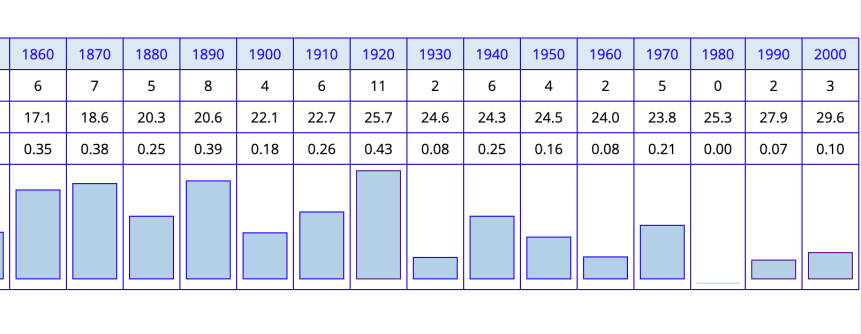
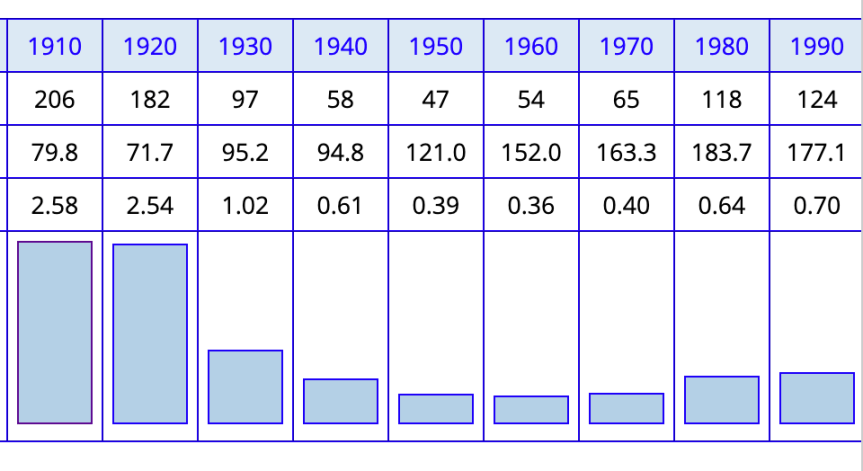
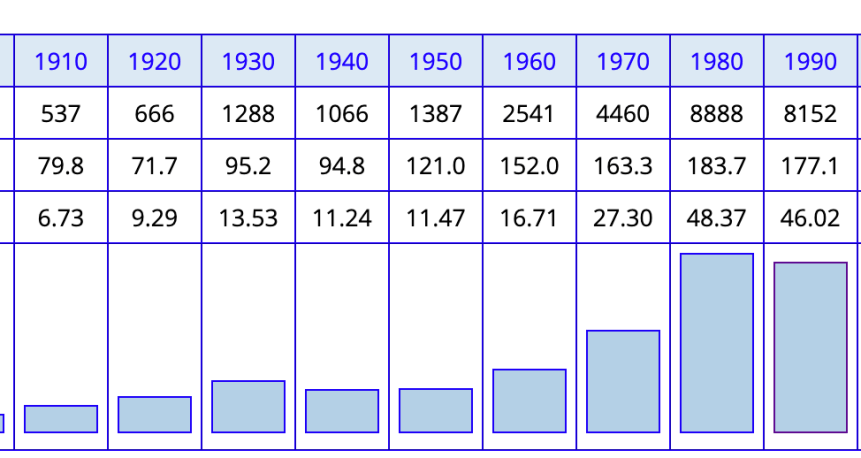
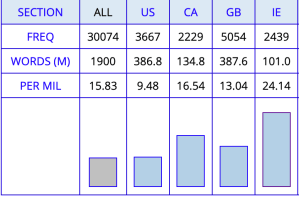
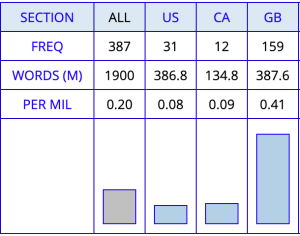
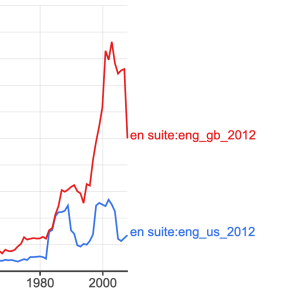
As for British and American use of the phrase, the Google Ngrams Viewer chart, showing frequency of use in books, is illuminating:
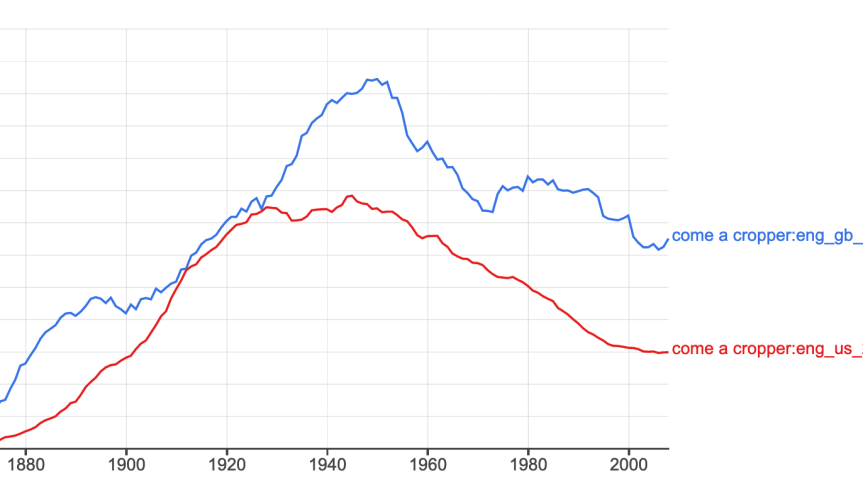
It’s similar to the pattern we saw for “we all of us.” British origin, but Americans catch up and use it about the same in the turn-of-the -20th-century period (in this case shortly after the turn). Then separation in the mid-twentieth century, followed by a slight closing of the gap as the phrase begins to seems old-fashioned in the U.K. and appealing in the U.S., in part as a result of the NOOBs phenomenon.
Ngram Viewer only has reliable data through 2008, but the New York Times archives show continuing solid use of the phrase. “Come a cropper” has appeared 94 times in the Times, all since 1920; here’s a baseball article from five years later:
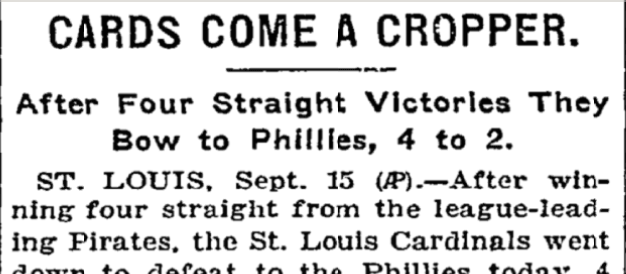
But the Times has grown partial to the phrase over time, with all but thirteen of the uses coming since the 1970s, and 17 of them since 2000. A couple of interesting things turn up in the newspaper’s archives. For one, Richard Nixon used “come a cropper” in the White House transcripts released as part of Watergate investigation in 1973:
For an inquiry to start with the proposition of [Sam] Ervin and [Howard] Baker, where you don’t come a cropper right there at the beginning on whether you can get the three branches. What’s your view of the three-branch, John [Erlichman]?
And check out the most recent use of the past tense, in a 2017 crossword blog by Caitlin Lovinger:
 That’s right, it’s (wrongly) hyphenated, “a-cropper.” The hyphen shows up other times in the Times, including in a column by language maven William Safire. You can sort of see the impetus behind both, as the word “a” in the phrase doesn’t act the way we expect the word “a” to act, making it seem like there’s some sort of abbreviation going on. It’s similar to the way people write highfaluting or highfalutin’, rather than the correct highfalutin. So get rid of the apostrophes and hyphens and use “come a cropper” naked. It feels good!