

It won’t surprise you to learn that I keep a file of Britishisms I encounter here in the U.S.A. Some of these make it into blogposts, but others stay in the file, because I don’t find any more of them. At this point, I think it’s time to give up hope of these one-offs catching on, so here’s what I’ve got. I’d of course be interested in any future American sightings.
Prawn (American: “shrimp.”) “A raw prawn is part of the sea; broiled, it becomes part of our art.”–Adam Gopnik, The New Yorker.
Petrol (American: “gasoline.”) From the New York Times Wirecutter section:
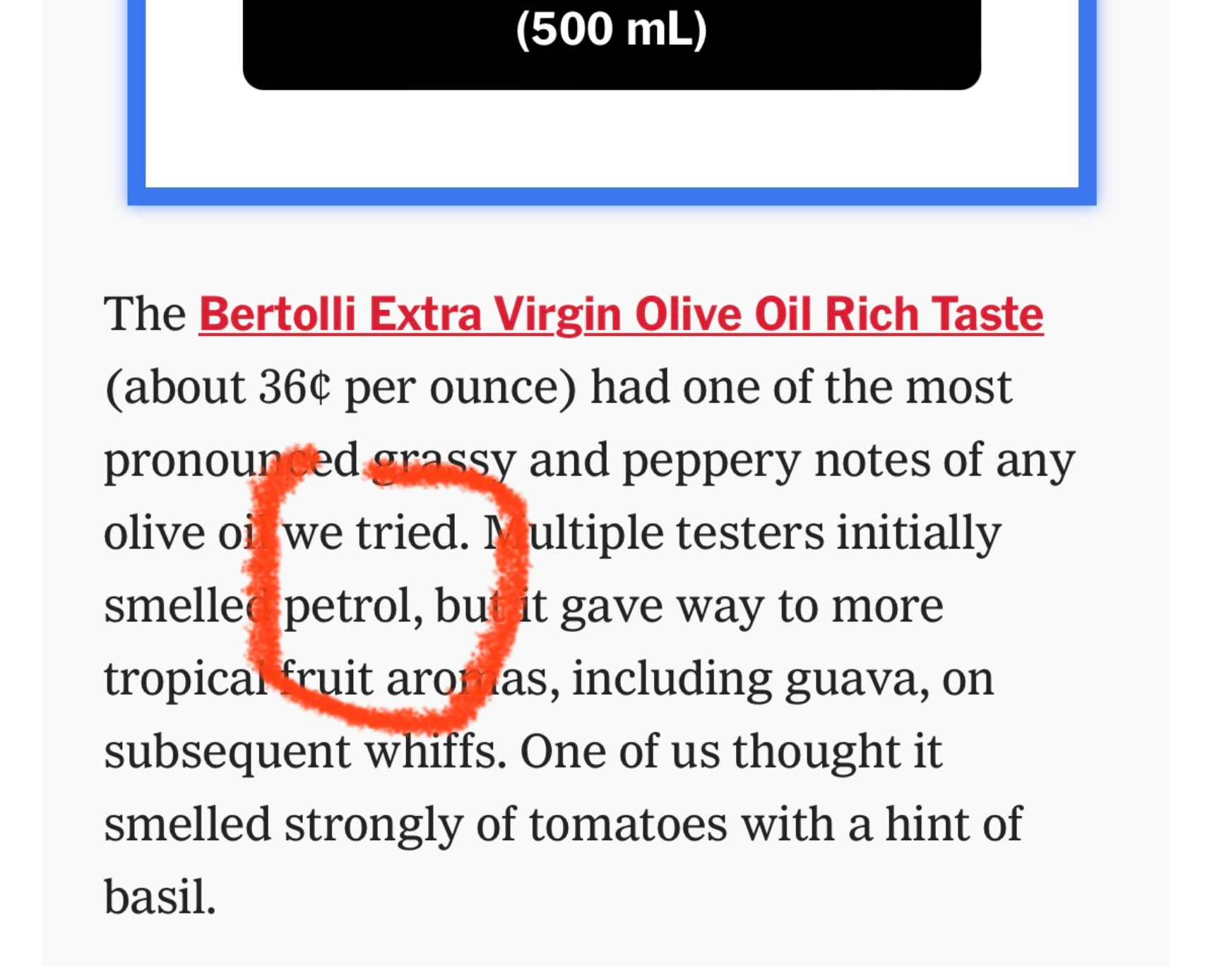
Litre {This one is a double Britishism, a, because Americans would normally refer to quarts or gallons, and b, because if they did use the word, they would spell it “liter.”) “… a study by the Washington Post estimates that using ChatGPT to compose a single hundred-word e-mail uses up more than half a litre of water.”–Jill Lepore, The New Yorker
And now, while I’ve got your attention, here are a couple of old-favorite, definitely not one-off Britishisms that keep extending their U.S. reach:
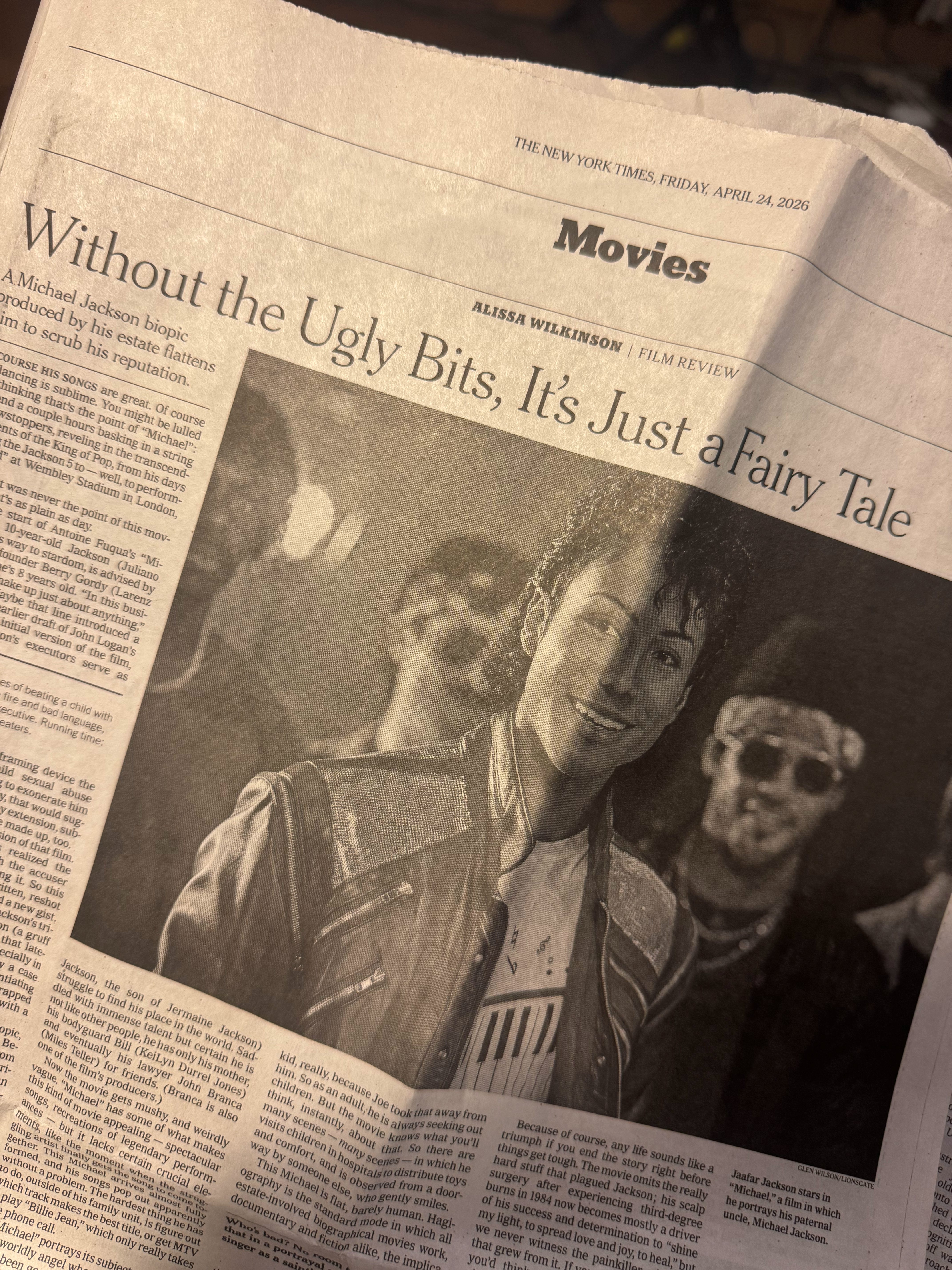
(Americans would traditionally say “ugly parts.” Most recent post on “bits” here.)
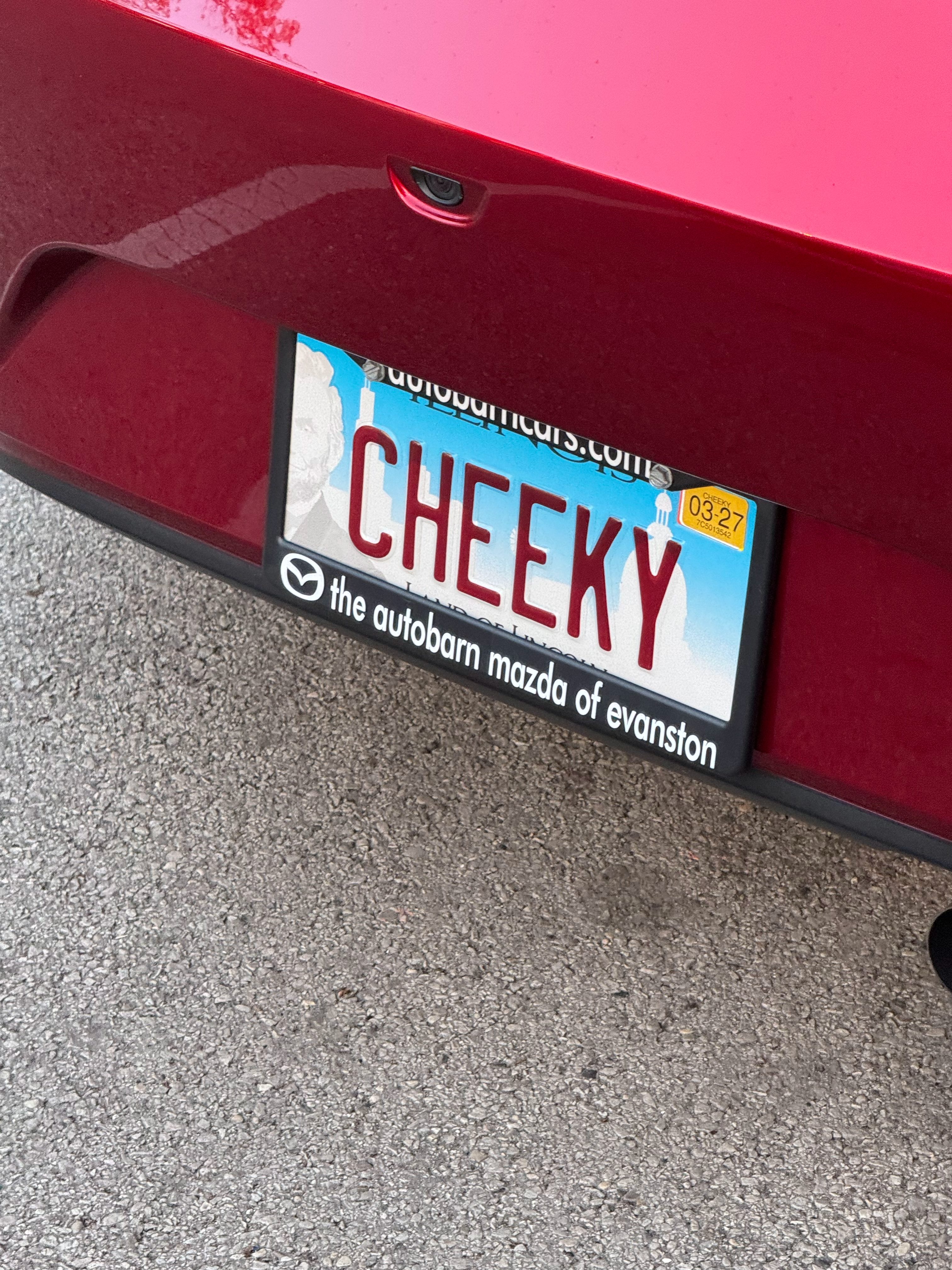
(I see I haven’t written on “cheeky“–other than “cheeky Nandos“–since way back in the early days of the blog. I’ve got a good bit on it in my book Gobsmacked!, though, so this might be a good time to pick up a copy. Link to your right.)


I wonder if “litre” is one of those famous New Yorker style guide quirks.
Any mention of prawns should take note of Pepe the King Prawn, possibly the only post-Henson new Muppet to really catch on with their fandom.
A few thoughts for y’all’s consideration: 1) I think prawn is destined, in America, to only be used as a “fancy” word, when an American menu, for example, mistakenly believes that using a British word imparts some kind of elegance or class. 2) In the example Ben cites, “litre” is a casualty of the New Yorker magazine’s sometimes absurd usage rules. That publication insists on “litre” over the more sensible– particularly for an American– “liter.” (The magazine has, so far, declined to spell H20 as “watre,” but, oddly, so have the British.) 3) Bits has become, I think, generational in American; people under 40 tend to use it a lot more than we oldies (to borrow a British term). 4) Cheeky is more or less the same as bits in this sense.
It’s lovely to think that a British word for a foodstuff is being used in the US to impart elegance or class to it. It is said that the dim view many Americans take of British cuisine originated with US troops carrying the notion home, having been stationed in Britain and fed on the wartime ration diet, which was subject to many privations and dubious substitutes. The use of ‘prawn’ in this new way can only be evidence that our caterers have really upped their game since the 1940s and some more recent American visitors have noticed.
(If you are reading, Donald and I haven’t yet maxed out your attention span, may I be permitted to say that we, the British, remain very grateful for your country’s valiant intervention during World War II.)
Yes, “litre” is New Yorker style, and has been for a long time. They also write “centimetre”, “kilometre”, etc. — but not consistently! They’re not anywhere near 100% successful at enforcing such silly rules.
It tends to be measurement units that get the French spelling in the UK – litre, metre. A measuring device is a meter, such as an electricity meter, and the recent change to smart meters.
Also, interesting to see mL for millilitres. The usual UK version is ml. (L is the abbreviation for lambert, a unit of brightness.)
I wonder if whoever has “Cheeky” on their number/license plate is a rare American aficionado of the Carry On movies.
Or the BBC radio series, Hello Cheeky. 🙂
Come the raw prawn is an Australian phrase, meaning to deceive.
Interestingly, throw a shrimp on the barbie was a phrase used by Paul Hogan in an advert for Australian tourism on US TV. The Australians would say prawn.