NOOBSian Stuart Semmel of Yale University has passed along two new (to me) NOOBs. The first is the verb “liaise,” a back-formation from the French noun “liaison,” which originally meant a sauce-thickening agent (who knew?) but has since referred to a close (sometimes intimate) connection between two people or organizations. The OED describes “liaise” as “originally Services’ slang” and provides a first citation from 1928: ” [Lord Fisher said in 1916] I want a soldier..to keep in touch with the Navy and so ‘liaise’ or exchange inventions which may be suitable.”
It is certainly a Britishism (which achieved massive gains in popularity in the last four decades of the 20th century), as seen in the Google Ngrams Viewer graph:

I had heard it over the years, but mostly in the context of critiques of business jargon and “verbing” nouns. Back in 2005, in a column about back-formations, the great William Safire of the New York Times commented, “I don’t like liaise, a self-important, bureaucratic substitute for ‘work with.'” (He added, interestingly, “I like ‘surveil,’ because ‘surveillance’ has more of a pervasive and sinister quality than ‘watch’ or ‘follow.'”)
As the graph shows, “liaise” has gained some popularity in the U.S., but still is used much less than across the pond. Since Safire’s column, it has been used (by apparently American writers and sources) fifteen times in the Times, ten of them since 2010. This came from a February 2016 article about Libya:
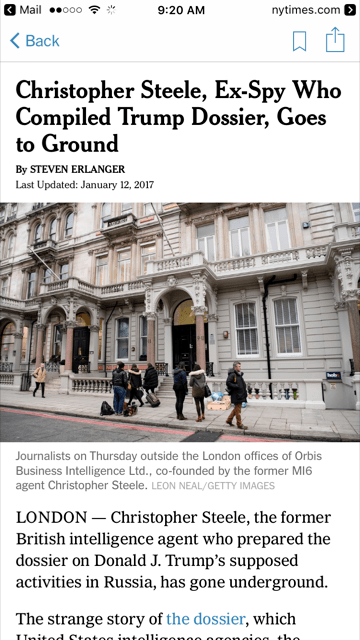
Libyan officials and news media outlets have reported the presence of American, French, British and Italian special forces units in the country in recent weeks, ostensibly on reconnaissance missions and to liaise with local militias.
Next up: Semmel’s second NOOB (and therein lies a clue).