

The phrase means “available for sale” or, more generally, “available.” The first OED citation is from the (London) Daily News in 1881: “Old wheat scarce and dear. Very little barley on offer.” But using Google Books, I came up with an example more than fifty years older, from a September 1826 issue of Cobbett’s Political Register:

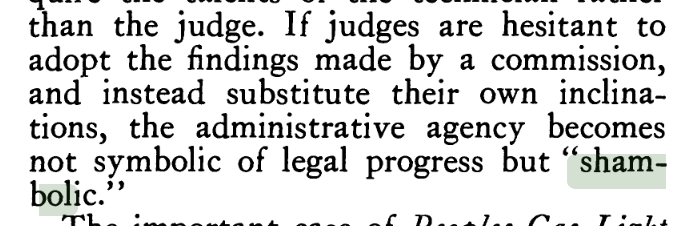
But in any case, the phrase didn’t cross the Atlantic for another century or more:

A relatively early use came in the New York Times in 1990: “Tens of thousands of Apple Macintosh users visited the Macworld trade exposition here earlier this month, examining the hardware and software on offer.” It arrived in the New Yorker through British writers—Kenneth Tynan in 1977 and Salman Rushdie in 1992—and was first used there by an American one, Hendrik Hertzberg (using the magaqzine’s famous editoral “we”), in 1994: “We know, for example, that there are people who picked up their first copy of The New Yorker on account of a story or a “casual”–on account of something by O’Hara or Cheever or Salinger or Perelman or Munro or Updike–and only later, and gradually, became aware that other kinds of writing were on offer in these pages too.”
But it’s all over the place now. The Times used the phrase 112 times in 2021, from to January 21 (at a hair colorist’s studio, “Cappuccino and mineral water were served, and tuna and watercress salad was on offer”) to December 21 (“While the Omicron variant has thrown many people’s New Year’s Eve plans into doubt, there’s no shortage of events on offer in the televised realm”).







 notoneoffbritishisms.com